About Di- Ethylene Glycol
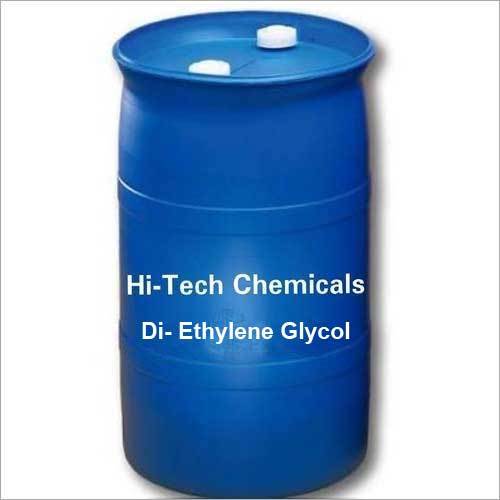
We are one of the prominent players engaged in refilling of Drums from Tanker. We have designated team and large space dedicated and involved only in carrying out operations of refilling drums from Tanker of Di- Ethylene Glycol. We are well versed with the quality norms and take uttermost care in refilling of Di- Ethylene Glycol into drums. Our Di- Ethylene Glycol drums are of very good quality and durable for its safe transportation across India. We also seal pack the drums of Di- Ethylene Glycol as per customer requirements.
Versatile Industrial ApplicationsDi-Ethylene Glycol is essential across industries due to its excellent solubility and stable chemical properties. Its uses range from coolants and antifreeze formulations to acting as a solvent and humectant in chemical manufacturing. It also contributes as a plasticizer and intermediate in various chemical processes, supporting industrial innovation.
Safe Handling and Storage GuidelinesTo maintain quality and ensure safety, DEG should be kept in tightly closed containers, away from direct sunlight and moisture in a well-ventilated area. Proper storage helps preserve its 99% purity and minimizes the risk of accidental exposure, relying on its stable appearance and neutral pH for controlled industrial use.
Quality and Regulatory ComplianceManufactured to meet stringent quality standards with a molecular weight of 106.12 g/mol and an EC number of 203-872-2, DEG aligns with international safety requirements. As an industrial-grade product, it holds relevant certifications, proper hazard identification (UN 3082), and legal CAS registration, ensuring reliable supply for manufacturers and exporters.
FAQ's of Di- Ethylene Glycol:
Q: How is Di-Ethylene Glycol typically used in industry?
A: Di-Ethylene Glycol serves as a coolant and antifreeze component, as well as a solvent, humectant, plasticizer, and chemical intermediate. It is incorporated directly into formulations or used to synthesize other chemicals, making it an integral part of industrial manufacturing processes.
Q: What are the recommended storage and handling practices for Di-Ethylene Glycol?
A: DEG should be stored in tightly sealed containers such as barrels or IBC tanks, placed in a cool, dry, and well-ventilated area. Proper storage prevents contamination and maintains chemical stability, minimizing risks associated with its harmful effects upon ingestion or prolonged exposure.
Q: When should Di-Ethylene Glycol be used by?
A: For best results, Di-Ethylene Glycol should be used within 24 months or 2 years from the date of manufacture. This ensures its purity and performance remain optimal for industrial applications.
Q: Where can Di-Ethylene Glycol be purchased or supplied from?
A: DEG is available through chemical exporters, manufacturers, and suppliers, especially those based in India. It is supplied in industrial-grade packaging including barrels, IBC tanks, and bulk shipments for ease of transport and storage.
Q: What is the process for integrating Di-Ethylene Glycol into formulations?
A: DEG can be directly added as a solvent or humectant, or used as an intermediate in chemical reactions. Careful measurement and adherence to industrial procedures are essential to maximize performance while maintaining safety.
Q: What are the benefits of using Di-Ethylene Glycol in formulations?
A: DEG offers excellent miscibility with water and organic solvents, high thermal stability, and consistent viscosity, making it valuable for formulations where control over freezing/boiling points and moisture retention is crucial.
Q: Is Di-Ethylene Glycol hazardous, and what precautions should be taken?
A: DEG is harmful if swallowed and may cause organ damage with prolonged exposure. Always use appropriate personal protective equipment and ensure good ventilation when handling it. Follow all safety data and hazard instructions (e.g., UN 3082) for responsible management.



 Send Inquiry



 Send Inquiry



